

It is easy to underestimate the Wii these days.
It looks like a white plastic DVD drive with a peculiar remote, and its game library consists of simple, low-effort mini-games designed solely to make a quick buck.
However, if you look past these cheap and mediocre titles, you will discover some of Nintendo’s finest and most unique work.
You will also find third-party games that truly understand the hardware, rather than just making players wave their remote controllers around in the air.
We’ve replayed a lot of these on original hardware, and a few through the Wii U’s HDMI output, which is still the least painful way to play Wii games on a modern TV. The 480p image is soft either way. A component cable helps.
If you are using a CRT, it is also a good idea to set the console to 4:3, as stretched Wii games look significantly worse than they do in their original quality.
This ranking isn’t pure nostalgia.
Some games were revolutionary in 2006 and feel thin now.
Others were overlooked then and hold up surprisingly well. We’ve weighted design, controls, multiplayer value, and how much I’d still recommend them to someone hunting for the best Wii games today.
How We Ranked These Wii Games
A few ground rules.
We didn’t rank pack-in tech demos above real games just because they sold millions.
We also didn’t pretend every motion-control experiment worked.
Some games on this list are here because they’re genuinely great. A few are here because they’re important to the Wii’s story and still worth playing with the right expectations.
We also tried to separate “best multiplayer memory” from “best game.” Wii Sports is not a deeper experience than Xenoblade Chronicles.
But it’s arguably the most important Wii game ever released, and it’s still the one we’d hand to a group of people who’ve never touched the console.
One more note: controller setup matters.
The Wii Remote alone is fine for pointer games. The Nunchuk is better for 3D movement. The Classic Controller is better for fighting games and RPGs. And MotionPlus is non-negotiable for Skyward Sword and Wii Sports Resort.
If your old remote has drifted, clean the sensor bar area and check for sunlight hitting the bar. It fixes more “broken motion controls” than people admit.
#1 Super Mario Galaxy
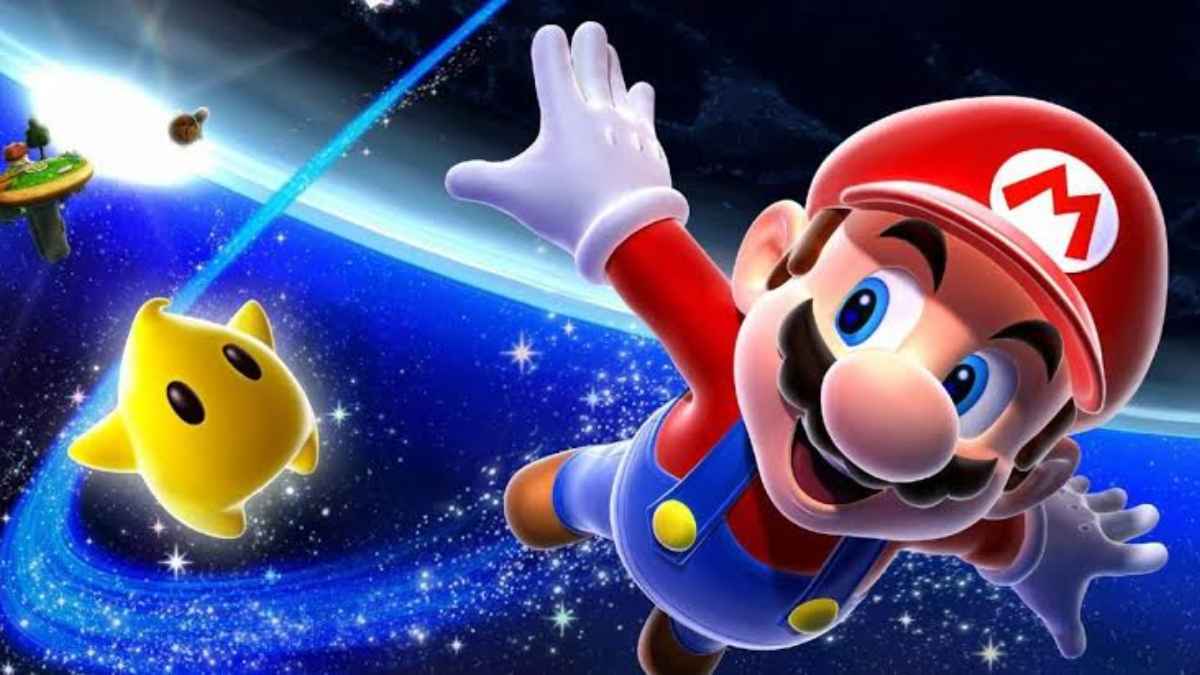
Super Mario Galaxy is the Wii game we’d save if we could only keep one.
The gravity mechanic sounds like a gimmick on paper run around tiny planets, jump between asteroids, get pulled in every direction but Nintendo uses it to make platforming feel new again.
The pointer controls for collecting Star Bits are simple, and the spin attack mapped to a wrist flick is still satisfying.
What holds up best is the pacing.
The game keeps throwing ideas at you. A bee suit. A boo mushroom. A planet made of cake. It rarely repeats a trick long enough to get boring.
The camera can fight you in a few tight spots, and the co-op mode is clearly designed for a younger sibling rather than a serious second player.
Still, this is the Wii’s crown jewel.
#2 Super Mario Galaxy 2
Some people prefer the first Galaxy.
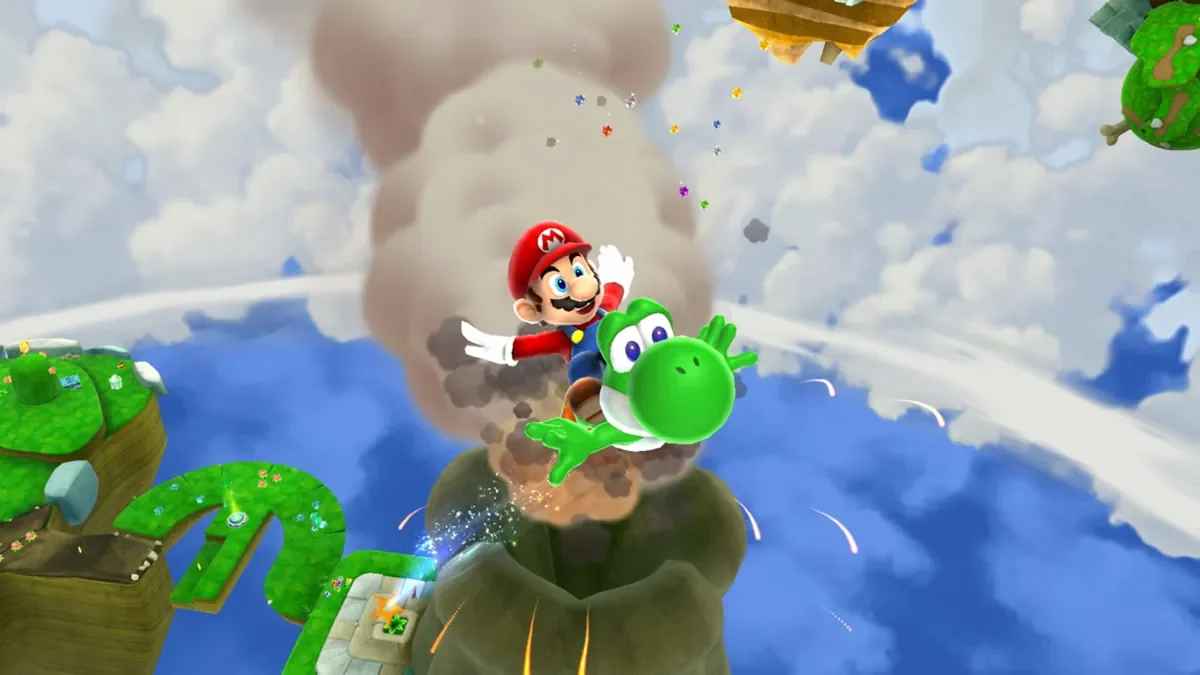
We don’t, but we understand the argument. The sequel is less story-heavy and more level-heavy. It feels like Nintendo took the first game’s toolbox and said, “Okay, now let’s make every stage a highlight.”
Yoshi helps. The power-ups are stranger. The difficulty is a little sharper. And the game wastes almost no time on filler.
If you want the purest platforming on the Wii, this is it. If you want the one with the more memorable atmosphere, go with the first. Either way, you’re playing one of the best Wii games ever made.
#3 The Legend of Zelda: Twilight Princess
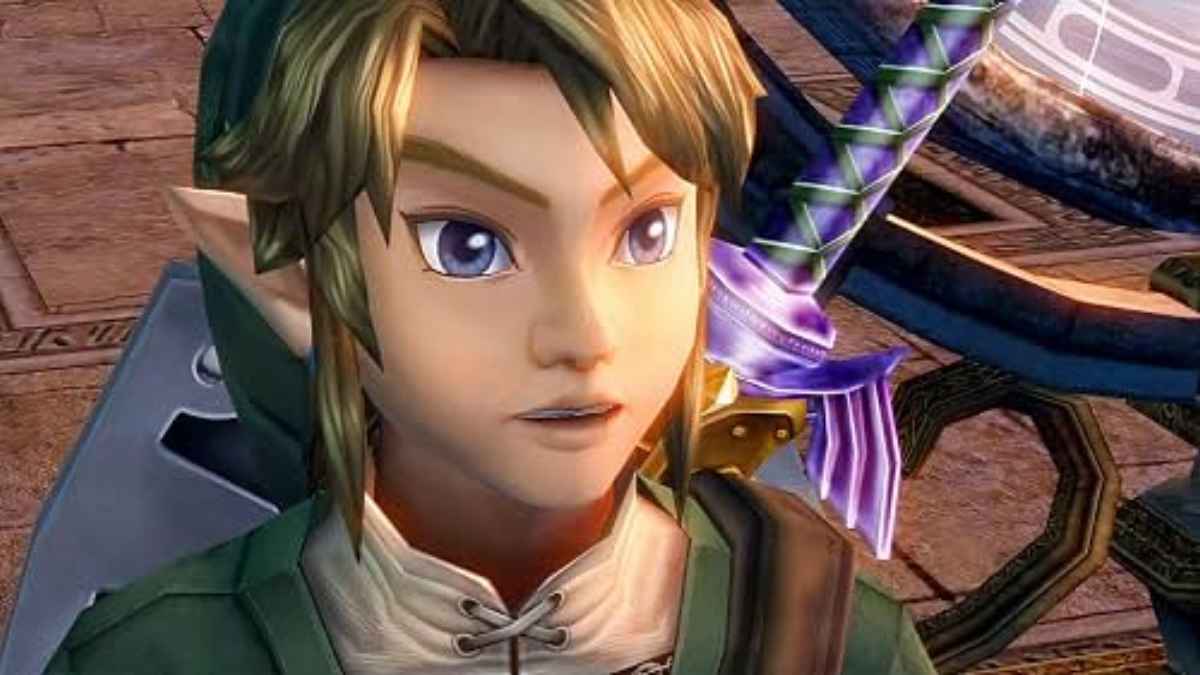
Twilight Princess was the serious Zelda for the Wii launch window.
It’s darker, longer, and more traditional than Skyward Sword, and the Wii version’s pointer aiming for the bow and slingshot feels good even now. The motion sword swings are mostly cosmetic; you can waggle through a lot of fights, but the overall adventure is huge.
The wolf sections are divisive.
We liked them more on replay than we expected, mostly because they change the pace.
The dungeons are excellent.
The overworld is a bit empty by modern standards. But if you want a big, classic Zelda with fishing, hidden caves, and a proper dungeon crawl, this is the Wii version to play.
#4 Wii Sports
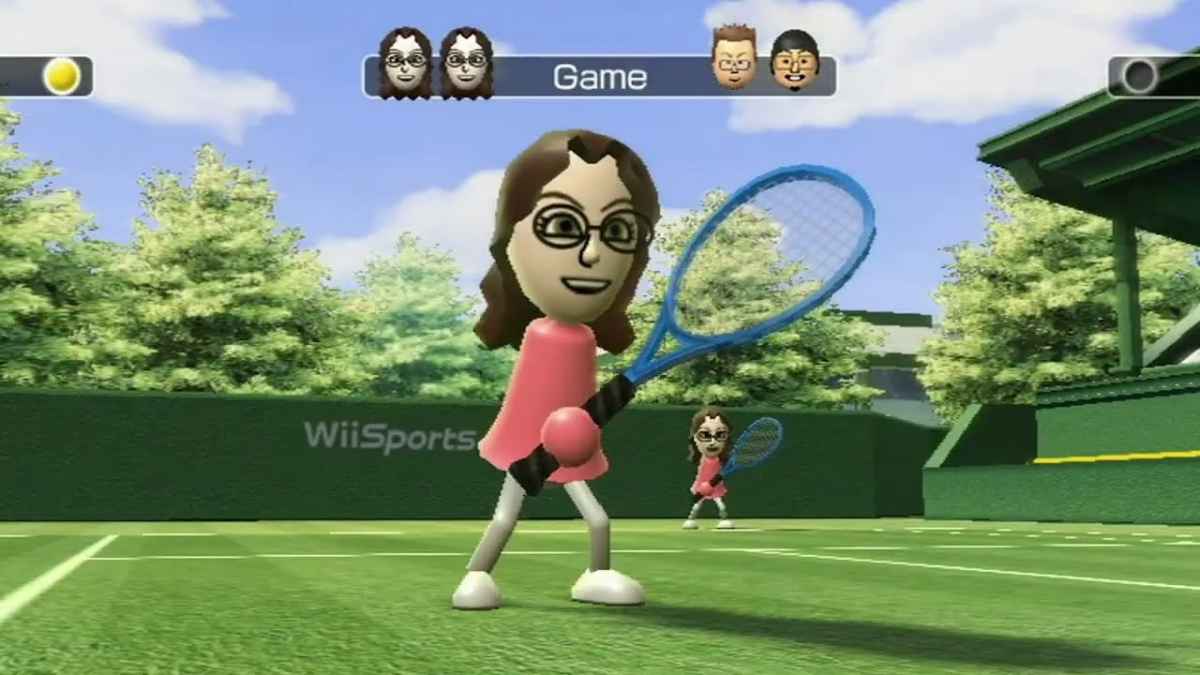
Wii Sports is not the most complex game on this list.
It might be the most important. Bowling alone justified the console for millions of families. Tennis turned living rooms into courts. Boxing was chaos. Golf was weirdly tense.
The magic was in the simplicity.
You didn’t need to learn a controller. You just swung. That’s why it sold over 82 million copies and became a cultural shorthand for the Wii era.
Today, the motion detection is looser than you remember, and the graphics are basic. But put four people in a room with bowling, and it still works. That counts for a lot.
#5 Metroid Prime Trilogy
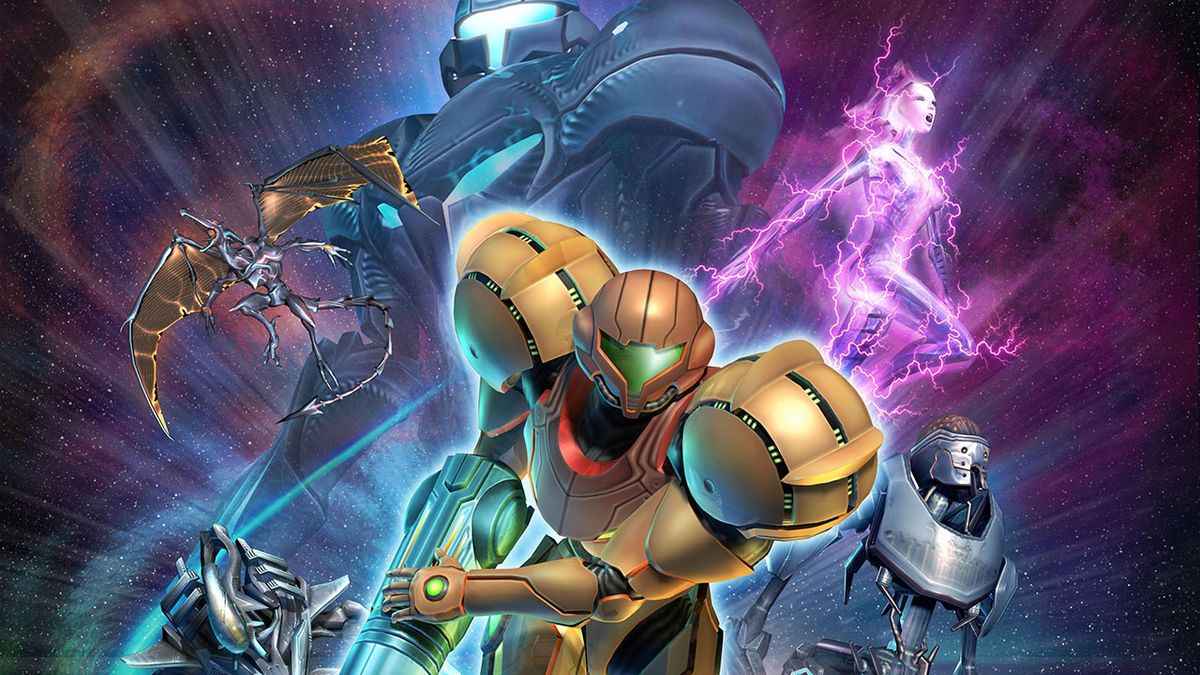
This collection is the best answer to anyone who says the Wii was only for party games.
Metroid Prime Trilogy bundles all three Prime games and updates the first two with pointer-based aiming. The result is a first-person adventure that feels more precise than the GameCube originals.
The atmosphere still holds up.
Scanning alien ruins, backtracking through interconnected zones, and piecing together lore from logs is as rewarding as ever.
The motion controls aren’t tacked on; they make aiming feel closer to a mouse than a dual-stick setup. If you only know Metroid from Dread, this is a great history lesson.
#6 Super Smash Bros. Brawl
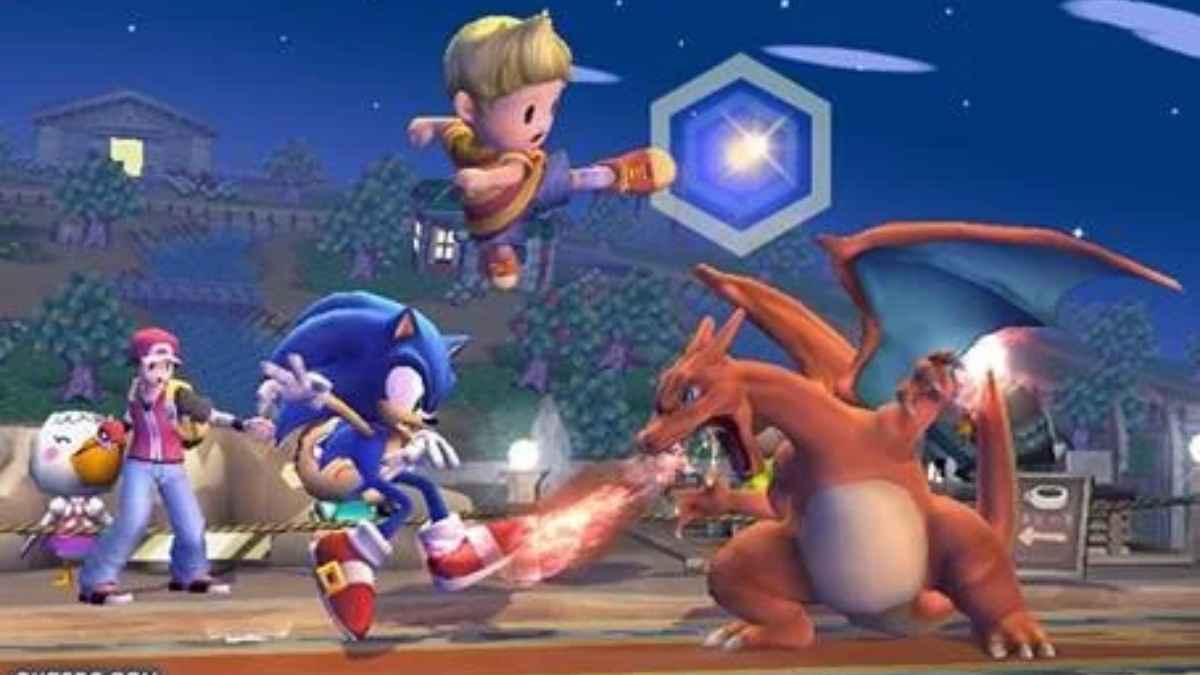
Brawl is the Wii’s big multiplayer brawler, and it’s packed with stuff. The Subspace Emissary story mode is longer and more cinematic than it had any right to be.
The roster is huge.
Sonic and Solid Snake showing up felt absurd in the best way.
Competitive players eventually went back to Melee, and we get why. Brawl is slower and floatier. But as a party game, it’s excellent.
Four players, items on, a chaotic stage it still delivers. The online mode is dead, so don’t buy it for that. Buy it for couch chaos.
#7 Mario Kart Wii

Mario Kart Wii added motorcycles, motion steering, and a huge online mode. The Wii Wheel looked like a toy, but it worked. More importantly, the track list is strong, and the item chaos is legendary.
Is it the most balanced Mario Kart? No.
Blue shells will ruin your day. But that’s part of the deal.
The game sold over 37 million copies for a reason: it’s easy to pick up and hard to stop playing. If you have a group and a few remotes, this is still one of the best Wii games for a quick session.
#8 Xenoblade Chronicles
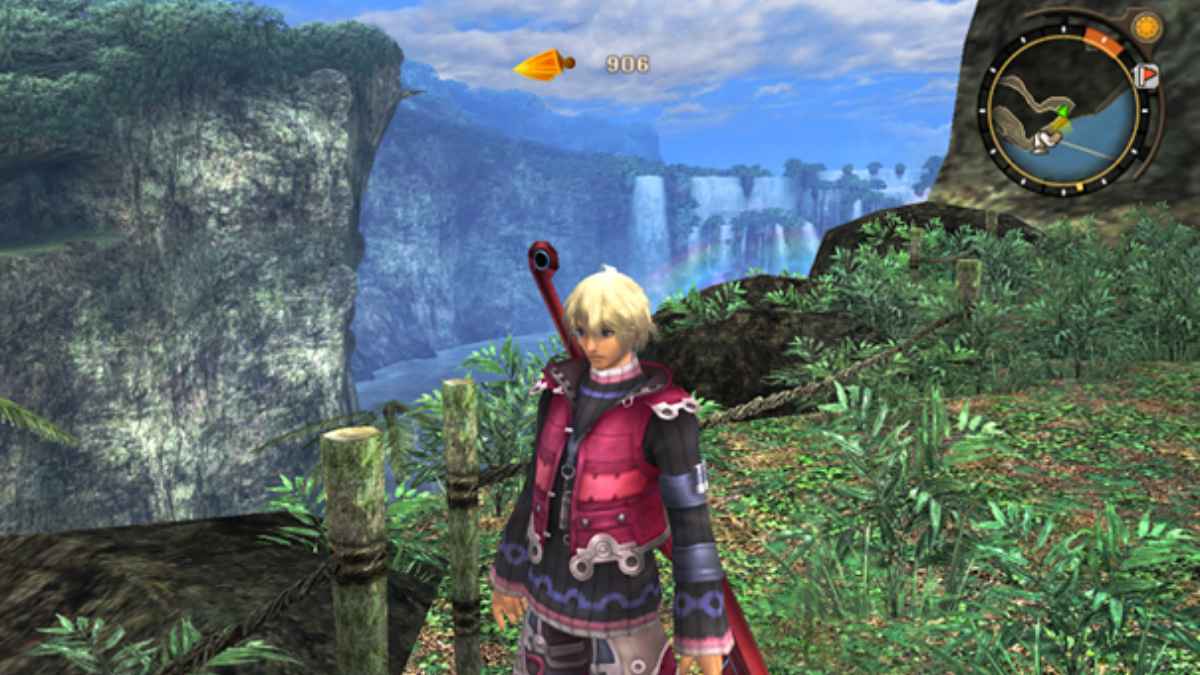
Xenoblade Chronicles came late in the Wii’s life and asked a lot of players.
It’s a massive JRPG set on the bodies of two frozen titans. The scale is ridiculous. The soundtrack is gorgeous. The combat mixes real-time positioning with menu-based arts.
It’s not a pick-up-and-play game. It’s a commit-your-weekend game.
But for Wii owners who wanted a deep RPG, it was a gift. The side quests can get repetitive, and the UI is clunky by modern standards. The story and world still carry it.
#9 Resident Evil 4: Wii Edition
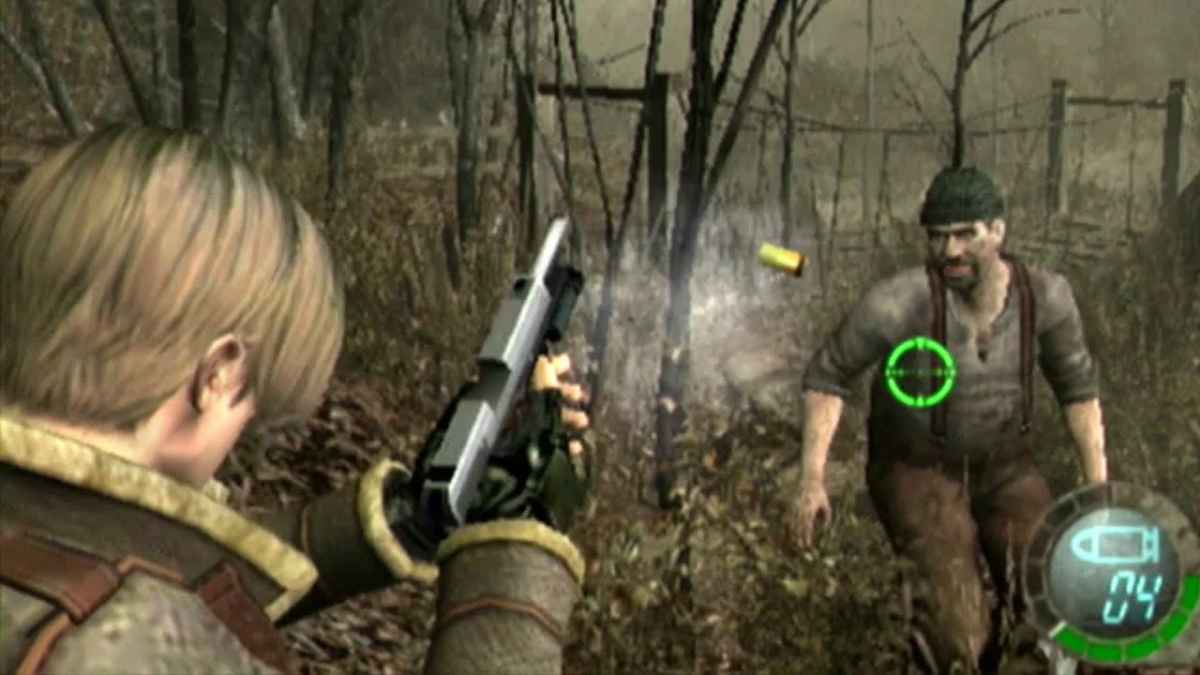
Resident Evil 4 was already a classic before the Wii port.
The Wii Edition is arguably the best version of the original release because the pointer aiming is so precise. Headshots feel incredible. The knife swipe is a nice bonus.
It’s a port, yes.
But it’s a port that proves motion controls can improve a traditional action game when they’re used with restraint. The atmosphere, pacing, and campy dialogue all still work.
If you’ve only played the remake, go back and see what the fuss was about.
#10 Okami
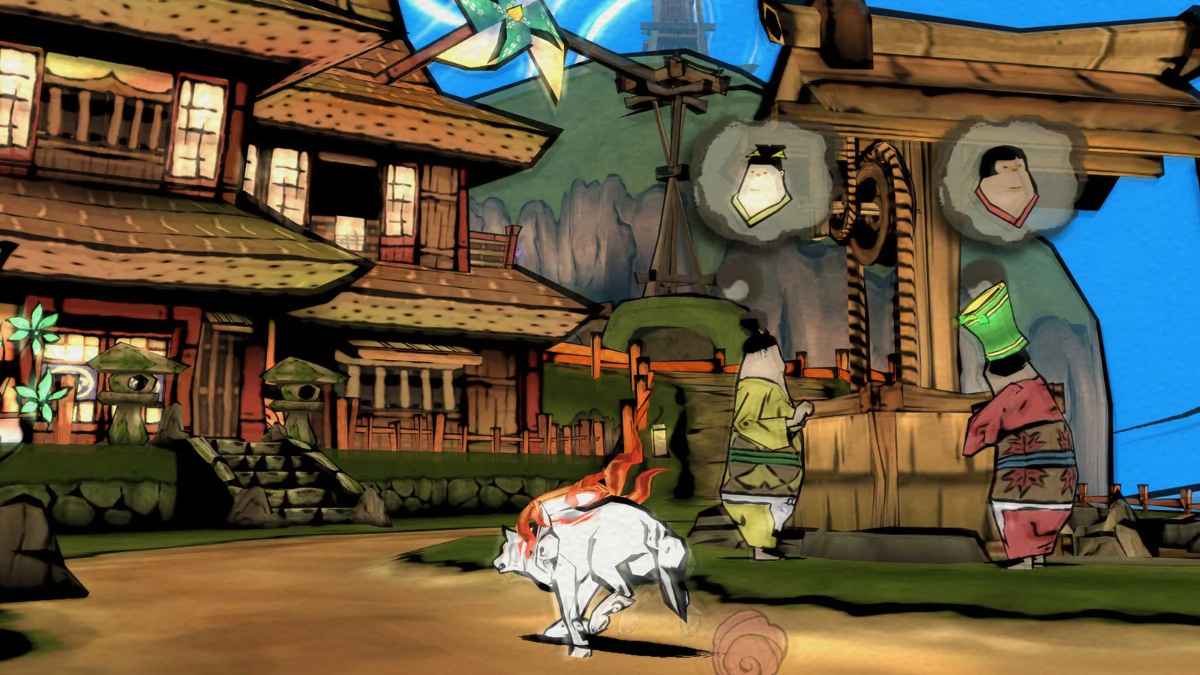
Okami was made for the Wii Remote.
The celestial brush mechanic, drawing on screen to cut enemies, grow trees, and solve puzzles, maps so naturally to the pointer that it feels like the game was designed for this console first.
It wasn’t, but that’s how well it fits.
The art style is still stunning.
The story is long, maybe a little too long, but the world is beautiful, and the characters are memorable. It’s one of the best hidden gems on the Wii, even if it’s not technically a Wii exclusive.
#11 Donkey Kong Country Returns
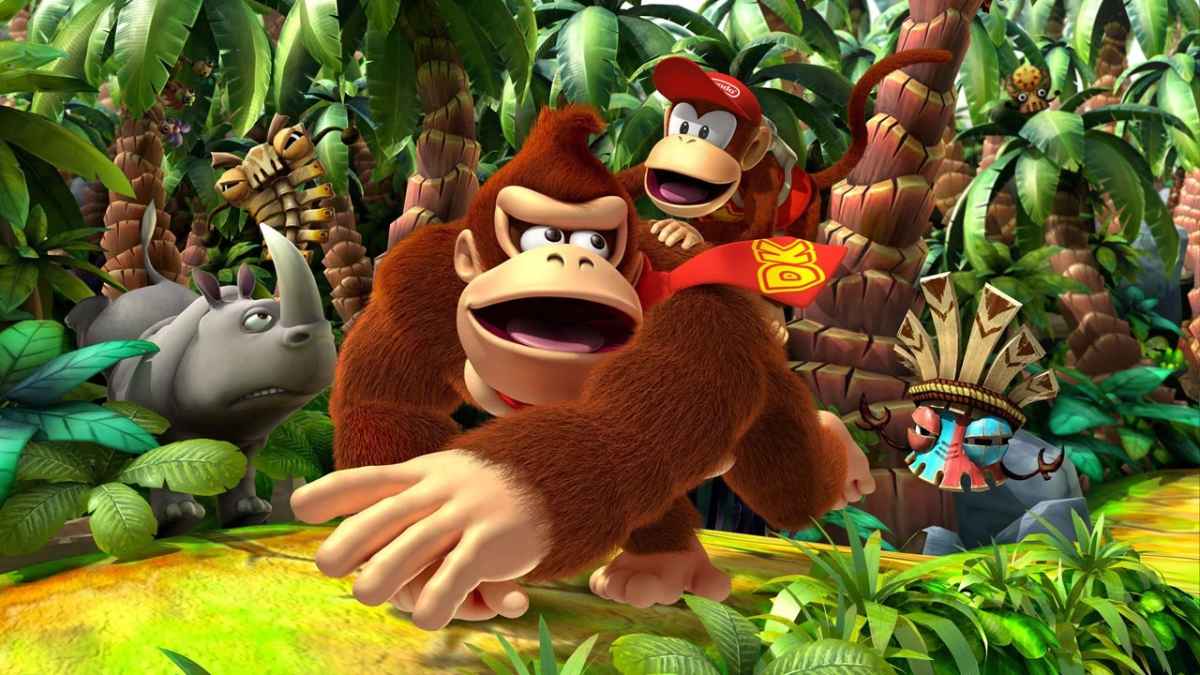
Retro Studios made this one, and it shows.
The level design is tight, the difficulty is real, and the motion controls for rolling and blowing are simple enough not to get in the way. It’s a proper 2D platformer with secrets, mine carts, and rocket barrels.
It’s also hard. Like, “we forgot we had to concentrate” hard. That’s a good thing. If you liked Tropical Freeze, this is the Wii game that set the stage for it.
#12 The Legend of Zelda: Skyward Sword

Skyward Sword is the most divisive game on this list.
It was built around MotionPlus, and when the controls work, sword combat feels tactical. You have to angle your slashes. Enemies block in specific directions.
It’s not just waggle.
When the controls don’t work, it’s frustrating. Sunlight, sensor bar placement, and remote calibration all matter.
The game is also linear, and the Imprisoned fights repeat too often. But the art style is lovely, the story is a proper origin tale, and the dungeons are clever.
Play the Switch version if you want the smoother controls. Play the Wii version if you want the original experience.
#13 New Super Mario Bros. Wii

This one brought 2D Mario back to home consoles and added four-player chaos.
It’s a great party platformer, partly because you can “help” your friends by throwing them into pits. The level design is classic Nintendo: secrets, hidden exits, and a difficulty curve that sneaks up on you.
The motion controls are limited to a shake for spinning, which is fine. The game doesn’t need more. It’s not the most ambitious Wii game, but it’s one of the most reliable.
#14 Wii Sports Resort
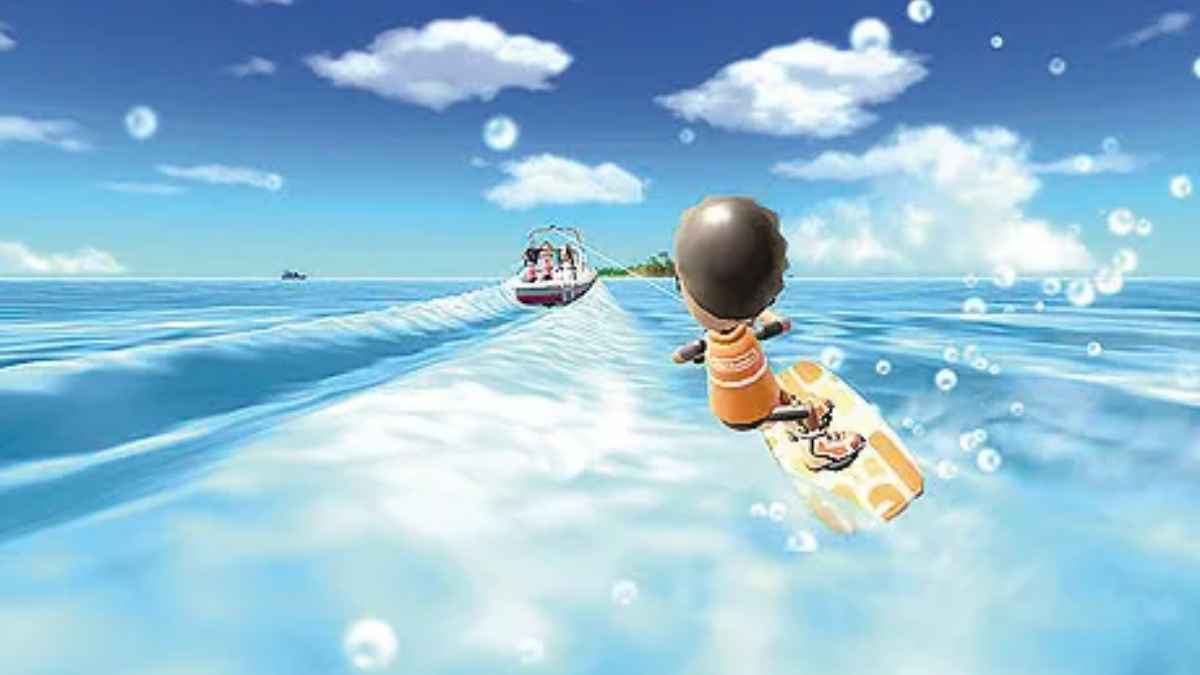
Wii Sports Resort is better than Wii Sports in a lot of ways.
MotionPlus makes the controls more accurate. Swordplay is genuinely fun. Archery is tense. Jet skiing is silly. The island setting gives the whole package a coherent vibe.
The original still wins on pure simplicity, but Resort has more variety and better tech. If you’re buying one for a family gathering, this is the one with more “let’s try this” moments.
#15 Kirby’s Epic Yarn
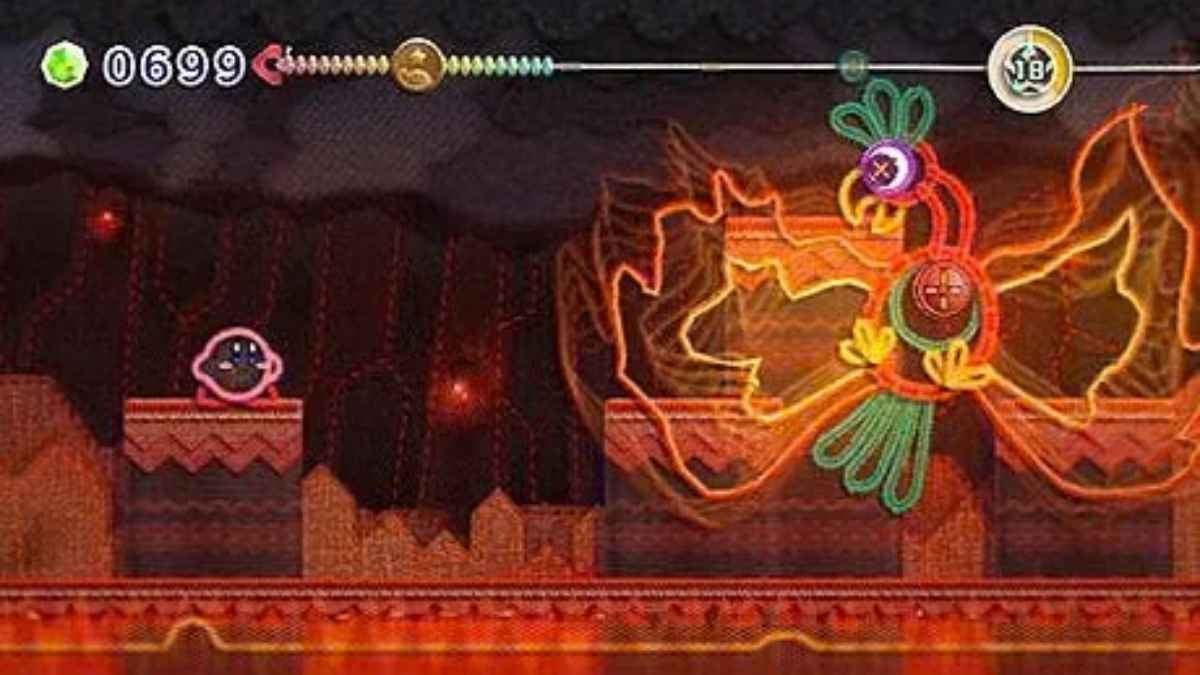
Kirby’s Epic Yarn is gorgeous.
The fabric-and-yarn art style gives every level a handmade feel, and the music is warm and playful. It’s also very gentle. You can’t really die. You lose beads when you get hit.
That makes it a great co-op game for parents and kids, or for anyone who wants a low-stress platformer. It’s not challenging, but it’s charming. Sometimes that’s enough.
#16 Punch-Out!!
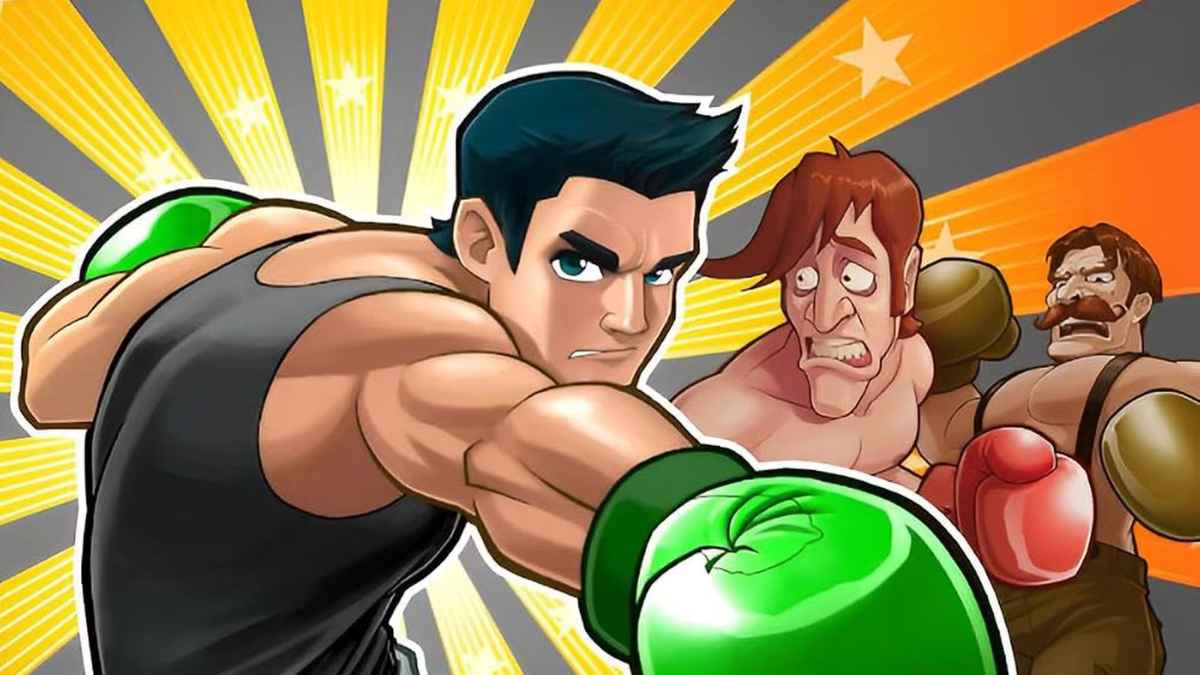
This Punch-Out!! revival is short, but it’s packed with personality.
Each opponent has a tell, a pattern, and a ridiculous personality. Learning those patterns is the whole game. The motion controls are simple: punch, dodge, star punch, but they work.
It’s a great example of a game that doesn’t need to be long to be memorable. If you liked the NES original, this is a worthy follow-up.
#17 Monster Hunter Tri
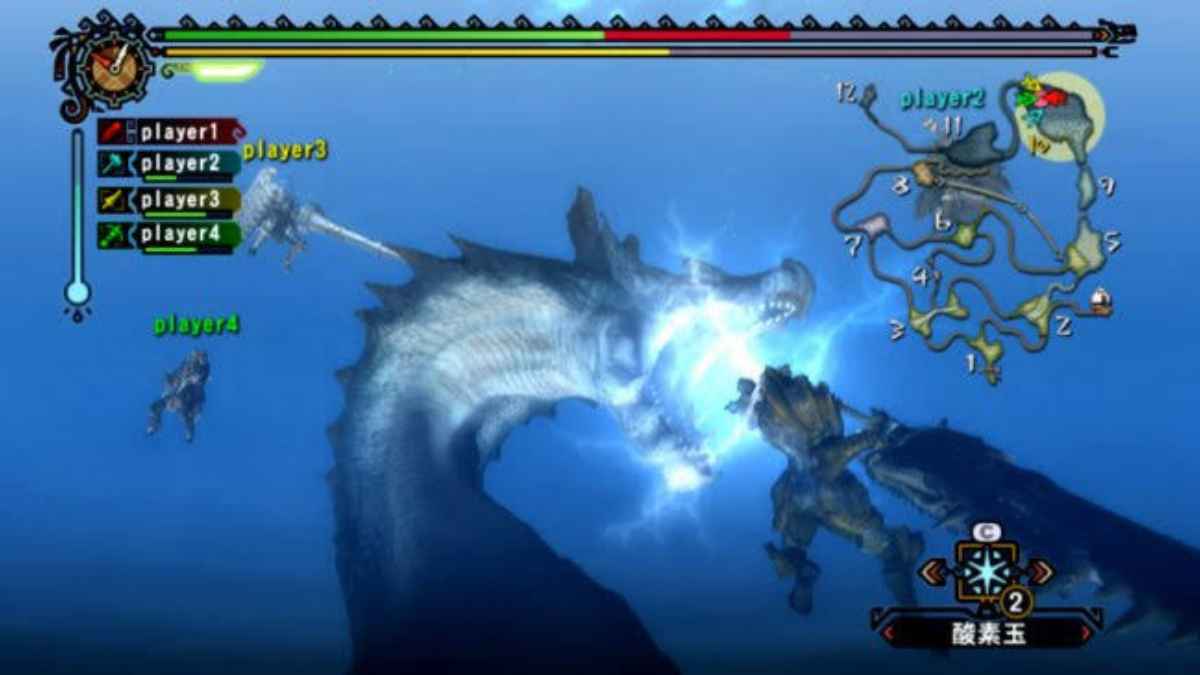
Monster Hunter Tri brought the series to a Nintendo console and gave Wii owners a deep, grinding, team-based action game.
Hunting giant monsters, carving materials, and crafting armor are addictive. The online mode was a big deal at the time.
It’s clunky now. The underwater combat is divisive. The tutorial is slow. But if you can get a group together, it’s still a rewarding loop. It’s also a fascinating piece of Monster Hunter history.
#18 No More Heroes

No More Heroes is weird, stylish, and very Suda51. You play Travis Touchdown, an otaku assassin with a beam katana, climbing the ranks by killing increasingly bizarre bosses.
The motion controls are used for finishing moves and charging your weapon.
It’s not polished in the traditional sense.
The open world is empty.
The combat is repetitive. But the vibe is unforgettable. If you want a Wii game that feels like nothing else on the system, this is it.
#19 Zack & Wiki: Quest for Barbaros’ Treasure
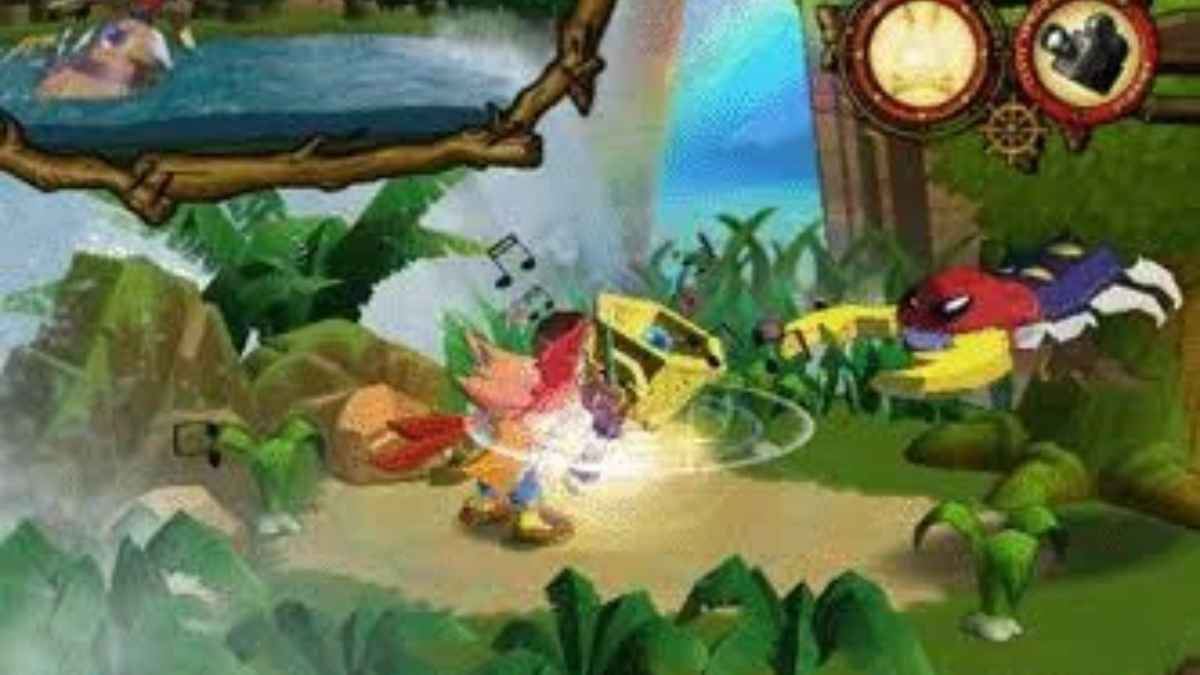
This is one of the most underrated Wii games.
It’s a point-and-click adventure built around the Wii Remote pointer. You solve puzzles by interacting with the environment, often in clever, physical ways.
The art style is colorful, the puzzles are satisfying, and it’s one of the few third-party games that really uses the remote’s strengths. It’s not perfect; some puzzles are obtuse, but it’s a genuine hidden gem.
#20 Silent Hill: Shattered Memories
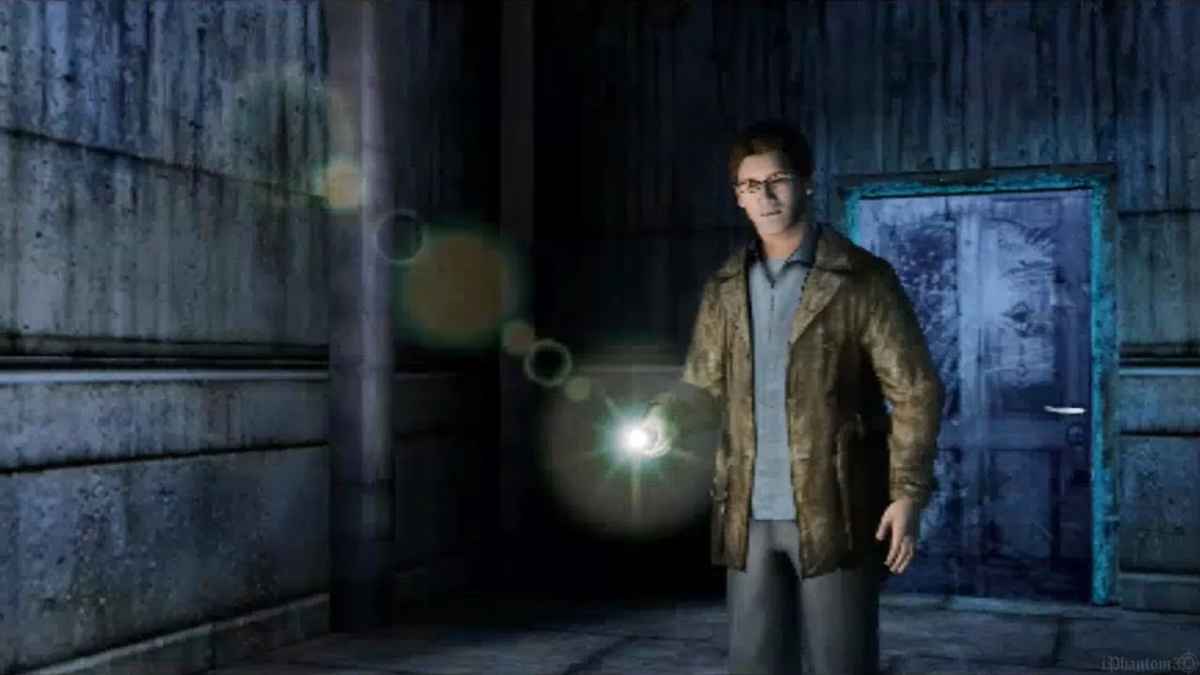
Shattered Memories is a reimagining of the first Silent Hill, and it uses the Wii Remote as a flashlight and a phone.
The combat is minimal.
The focus is on exploration, puzzles, and psychological horror.
It’s a smart, mature use of the hardware.
The story adapts to your choices, and the atmosphere is genuinely unsettling. It’s not a traditional Silent Hill game, but it’s one of the most interesting horror games on the Wii.
#21 Fire Emblem: Radiant Dawn

Radiant Dawn is a big, challenging strategy RPG.
It’s a direct sequel to Path of Radiance, and it assumes you know the systems. The maps are large, the cast is huge, and the difficulty is real.
It’s not a casual pick-up. But for Fire Emblem fans, it’s a deep tactical game with a sprawling story. The Wii had few RPGs this ambitious.
#22 The Last Story

Directed by Hironobu Sakaguchi, The Last Story is a cinematic RPG with real-time combat and a focus on party commands.
It’s more linear than Xenoblade Chronicles, but it’s also more focused.
The story is well-told, the characters are memorable, and the soundtrack is excellent. It’s one of the last great Wii games and a nice swan song for the system’s RPG lineup.
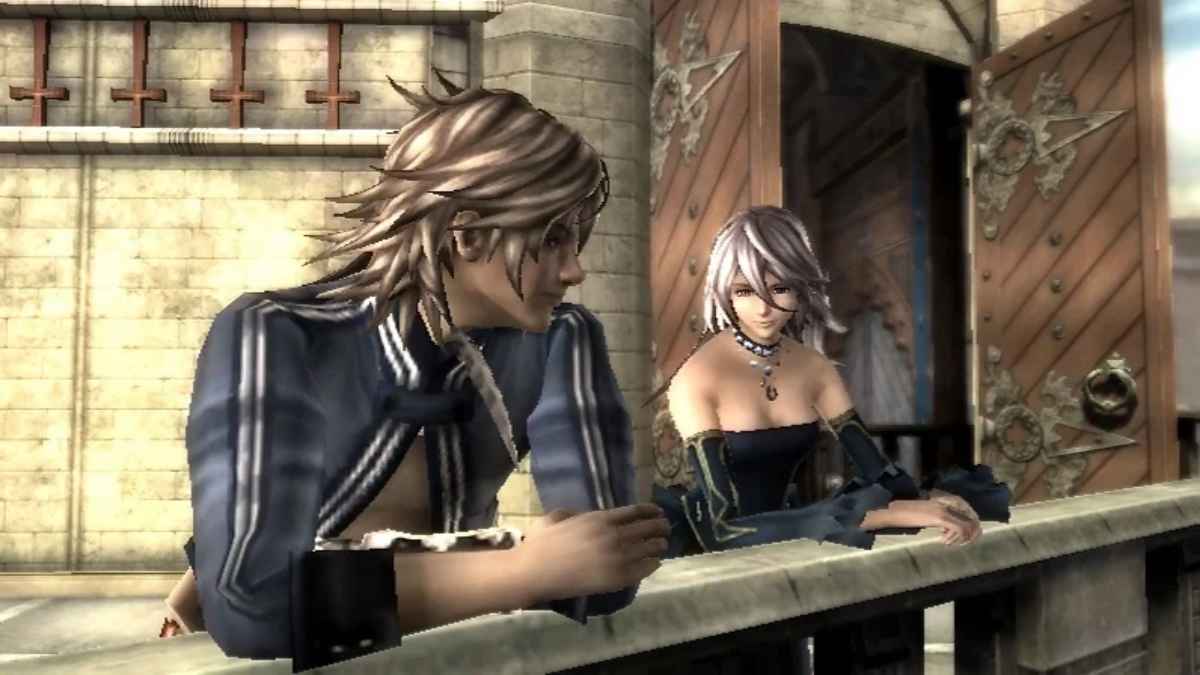
#23 Pandora’s Tower
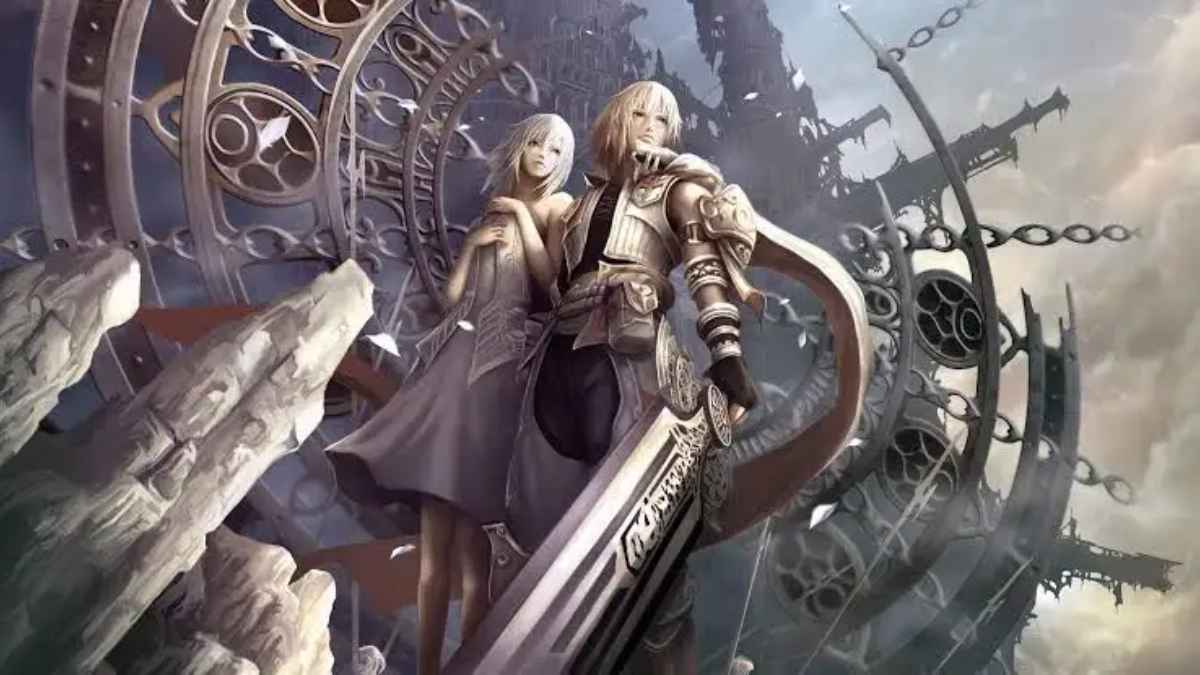
Pandora’s Tower is a dark action-RPG with a strange mechanic: you climb towers, fight monsters, and collect meat to lift a curse. It sounds odd, and it is.
But the atmosphere is strong, the combat is challenging, and the tower designs are intricate.
It’s not for everyone. It’s moody, sometimes repetitive, and very much a cult game. But if you like overlooked Wii games, it’s worth a look.
#24 Sin & Punishment: Star Successor

This is pure arcade action. Sin & Punishment: Star Successor is a rail shooter from Treasure, and it’s all about reflexes, aiming, and high scores.
The pointer controls are precise, and the action is balletic.
It’s short. It’s intense. It’s designed to be replayed. If you want a Wii game that feels like a lost Sega arcade classic, this is it.
#25 WarioWare: Smooth Moves
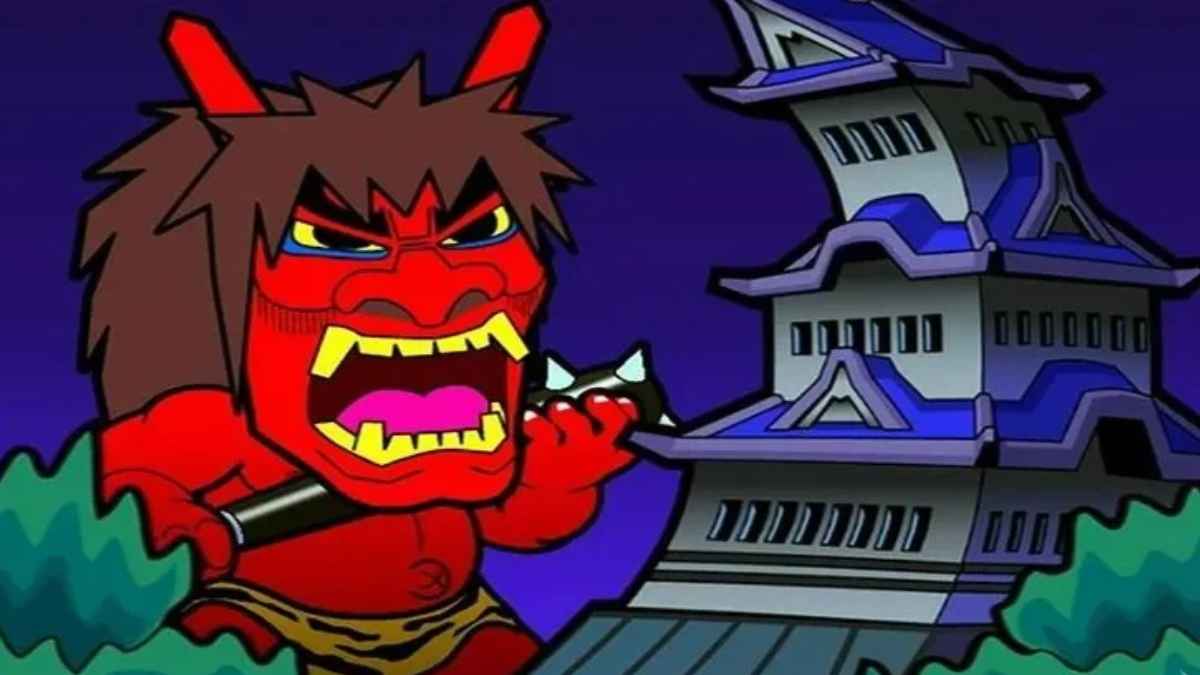
WarioWare: Smooth Moves is the ultimate party game for the Wii.
It’s a collection of microgames that last a few seconds each, and they ask you to hold the remote in ridiculous ways. It’s fast, silly, and guaranteed to get a reaction.
It’s not a deep solo experience. It’s not supposed to be. It’s the game you bring out when everyone is bored and you want to laugh.
What Still Holds Up on the Wii?
The Wii’s biggest weakness is its output resolution. On a modern TV, 480p looks soft.
Use component cables if you can, or play on a Wii U with HDMI.
The Wii U also lets you use the GamePad as a screen, which is handy if someone else wants the TV.
The second weakness is controller drift and sensor bar placement.
If motion controls feel bad, check the setup before blaming the game. A clean sensor bar, a remote with fresh batteries, and no direct sunlight on the bar can fix a lot.
The third thing to know is that the Wii’s best games fall into two camps: pointer games and motion games.
Pointer games like Okami and Metroid Prime Trilogy still feel great.
Motion games like Skyward Sword are more hit-or-miss, but they’re worth trying if you’re curious about what the Wii was trying to do.
Final Thoughts
The best Wii games aren’t just the ones with the biggest sales.
They’re the ones that understood the console’s weird remote and did something memorable with it. Super Mario Galaxy made gravity playful. Wii Sports made gaming social.
Xenoblade Chronicles proved the little white box could handle a massive RPG.
If you’re building a Wii collection, start with the Galaxy games, Wii Sports, Mario Kart Wii, and Metroid Prime Trilogy. Then branch into the hidden gems Okami, Zack & Wiki, and Pandora’s Tower.
That’s where the Wii’s library gets interesting.
And yes, the Wii Remote still feels like a TV remote that learned magic tricks. That’s part of the charm.


